
Why Partnering with a Local Linen Service Elevates the Guest Experience in South Jersey
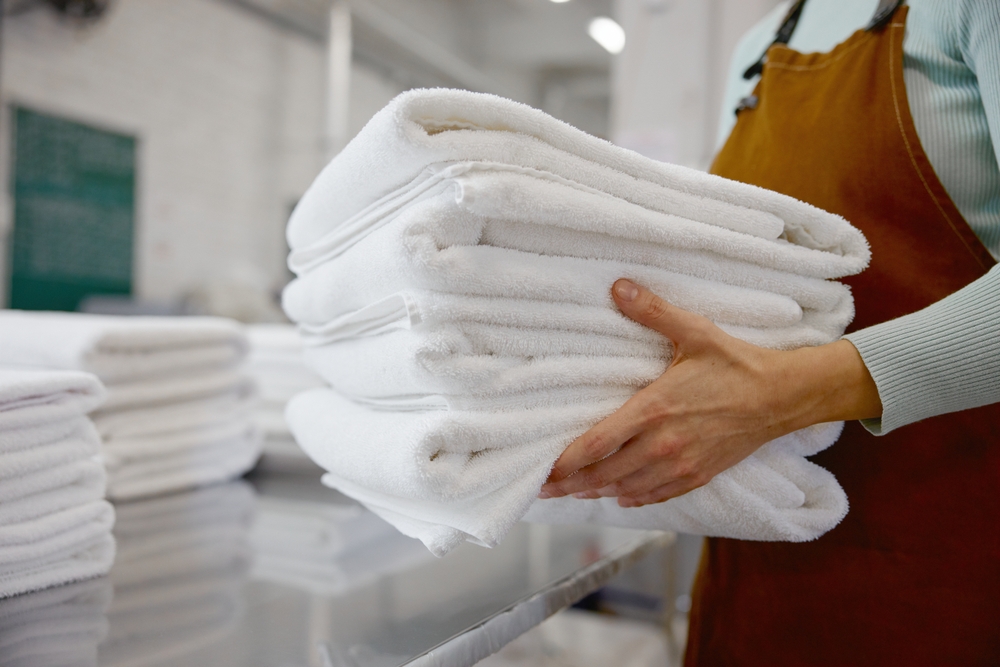
A guest at a small inn will overlook a slow Wi-Fi signal long before overlooking a thin bath towel or a dinner table dressed in a cloth with a faint gray cast. Linens are the one part of a property that guests touch with bare skin, which is why a professional linen service quietly does more for a review score than most amenities. For boutique hotels, bed and breakfasts, and inns looking to provide high-quality OCNJ vacation linens, the question is rarely whether linens matter, but who should be responsible for washing them.
Linens Are the Part of the Room Guests Actually Touch
Guest feedback about cleanliness tends to cluster around a few physical details: the smell of the sheets, the drape of the duvet cover, the absorbency of the bath towel after a shower. Those impressions form within the first ten minutes of a stay, long before breakfast or checkout. A property can repaint a lobby every season and still lose a return booking over a pilled pillowcase.
Small properties feel this more sharply than large chains, because a twelve-room inn has no anonymity. One guest with a bad towel experience represents a meaningful share of that week’s reviews, and review text travels further than any marketing copy the property writes about itself.
What In-House Laundry Actually Costs a Small Property
Running laundry on-site looks inexpensive until the full picture gets added up. Most owners who track it honestly find the real expense sits in four places that never appear on the utility bill as a single line item.
- Labor hours: Sorting, loading, folding, and stacking linens for even a small property can absorb 15 to 25 staff hours per week during peak season.
- Equipment and repairs: Residential-grade washers pushed through commercial volume tend to fail early, and a mid-season breakdown forces emergency decisions.
- Utilities: Water and hot water heating carry real cost, and laundry represents one of the larger water draws in commercial buildings.
- Replacement rate: Inconsistent wash temperatures, overloading, and bleach overuse shorten the life of sheets and towels, so inventory gets replaced sooner than budgeted.
None of that includes the opportunity cost. Every hour an innkeeper spends folding towels is an hour not spent greeting guests, handling bookings, or managing the property itself.
Local Processing Keeps Inventory Moving During Shore Season
Distance matters in this business. A regional provider offering local OCNJ linen rentals across Ocean City, Cape May County, Atlantic County, and surrounding shore towns can run tighter delivery schedules than a laundry operating two states away. This matters most in July and August when occupancy runs near capacity for weeks at a time.
Most small hospitality properties do well on two or three deliveries per week, with extra pickups scheduled around holiday weekends and peak turnover days. Local routing also makes it realistic to handle a same-week request when a property books an unexpected event or a group reservation.
Bath Towels, Weight, and Why Guests Remember Them
Towel quality is measured in GSM, or grams per square meter, and the number tells you most of what you need to know. Hospitality bath towels generally fall between 500 and 700 GSM, with heavier weights feeling more substantial and absorbing more water per use.
The catch is that heavy towels only stay pleasant if they are washed correctly. Overloaded machines and excessive softener leave residue that coats the cotton fibers and reduces absorbency, which is the exact complaint guests describe as a towel that “pushes water around” instead of drying them. Industrial laundering with controlled chemistry and proper extraction avoids that buildup across hundreds of wash cycles.
Bed Linens That Survive Repeated Commercial Washing
Retail sheets sold for home use are built for roughly one wash per week. Hospitality bed linens face several washes per week at higher temperatures, and the construction reflects that: tighter weaves, reinforced hems, and fabric blends engineered for repeated high-heat processing.
A property that buys consumer sheets and launders them in-house often sees noticeable thinning within a single season. Sheets supplied and processed through a professional linen service stay in rotation because they are inspected between cycles, and damaged pieces get pulled rather than making their way back onto a guest bed.
Par Levels: The Math Behind Never Running Short
Properties that run out of clean linens almost always have a par level problem rather than a laundry problem. Par refers to how many complete sets of linens exist for each bed and bathroom, and three par is the common working standard in hospitality:
- One par in use on the beds and in the bathrooms right now.
- One par clean and shelved in the linen closet, ready for the next changeover.
- One par in processing, either awaiting pickup or on its way back from the plant.
Working with a provider that tracks counts on every delivery makes this math visible instead of guesswork. Shortages usually show up as a slow leak of missing pieces, and nobody notices until a busy Saturday when two rooms need to be reset at once.
What to Ask Before Choosing a Linen Service
Not every provider serves small hospitality properties well, and the differences show up in the details rather than the price sheet. A few questions separate a good fit from a frustrating one
- How frequently does the delivery route reach my town, and what is the cutoff for adding a pickup?
- Are linens processed locally, and what is the standard turnaround from pickup to redelivery?
- What happens when a piece is stained or damaged, and how are replacements counted?
- Can the same account cover bed linens, bath towels, and table linens, or are those handled separately?
- Is there flexibility to scale volume up for summer and back down for the shoulder season?
Frequently Asked Questions
How Often Should a Small Hotel or Inn Receive Linen Deliveries?
Most boutique properties schedule two to three deliveries per week during peak season and one to two per week in the off season. The right frequency depends on room count, occupancy, and how much closet space the property has for holding clean inventory.
How Many Sets of Linens Does a Property Need?
Three complete sets per bed and bathroom, known as three par, is the widely used hospitality standard. That allows one set in use, one clean on the shelf, and one in processing, which keeps a property covered even on a full-occupancy changeover day.
Request a Linen Service Quote for Your South Jersey Property
South Jersey Linens supplies and processes table linens, bed linens, and bath towels for hotels, bed and breakfasts, and inns throughout the South Jersey region, with delivery schedules built around each property’s occupancy. Contact our team with your room count and service needs, and we will put together pricing and a delivery plan that fits your season.